How To Reconstitute Bpc 157 Peptide How to Reconstitute Peptides: Complete Guide for 2026
Introduction
If you’ve ever had a peptide batch come out cloudy, weak, or inconsistent, you already know the real problem isn’t “peptides”—it’s how you reconstitute them. In my hands-on work supporting peptide storage and preparation workflows, the biggest source of variation has been the reconstitution process itself (choice of solvent, mixing technique, and timing). This guide focuses on how to reconstitute bpc 157 peptide the right way so you reduce stress on the material and improve consistency from vial to vial.
I’ll walk you through the full method, common mistakes, and practical handling steps you can apply in a real lab or at-home workflow. You’ll also find an FAQ answering the questions people typically ask right before they reconstitute.
What “Reconstituting” a Peptide Really Means (and Why It Matters)
Reconstitution is the process of adding an appropriate sterile liquid to a lyophilized (freeze-dried) peptide powder so it dissolves into a usable solution. When done well, you get a clear (or appropriately uniform) solution and a predictable concentration.
In practice, I’ve seen two major outcomes depend on technique:
- Dissolution consistency: Incomplete mixing can leave micro-aggregates that change effective dosing.
- Stability and usability: Peptides can degrade if handled with unnecessary heat, repeated agitation, or prolonged time at room temperature.
The underlying logic is straightforward: peptides are sensitive molecules, and reconstitution is one of the first moments they encounter conditions that can affect structure. Your goal is to dissolve efficiently while minimizing time, temperature stress, and contamination risk.
Materials You Should Have Before You Start
Before reconstituting bpc 157 peptide, organize your supplies. In my workflow, preparation order is what prevents rushed decisions mid-step.
Core supplies
- Lyophilized peptide vial (labeled with strength and intended concentration)
- Sterile diluent/solvent that matches the peptide’s handling guidance (commonly bacteriostatic water where appropriate)
- Sterile syringes and needles (or an equivalent sterile transfer system)
- Alcohol swabs and sterile wipes
- Gloves, eye protection, and a clean workspace
- Labels and a log (date/time, concentration, volume used)
Plan for your dosing strategy
Reconstitution isn’t just dissolving—it’s also setting yourself up for consistent future dosing. A practical approach is to reconstitute in a way that lets you draw what you need without repeatedly exposing the entire vial to handling time.
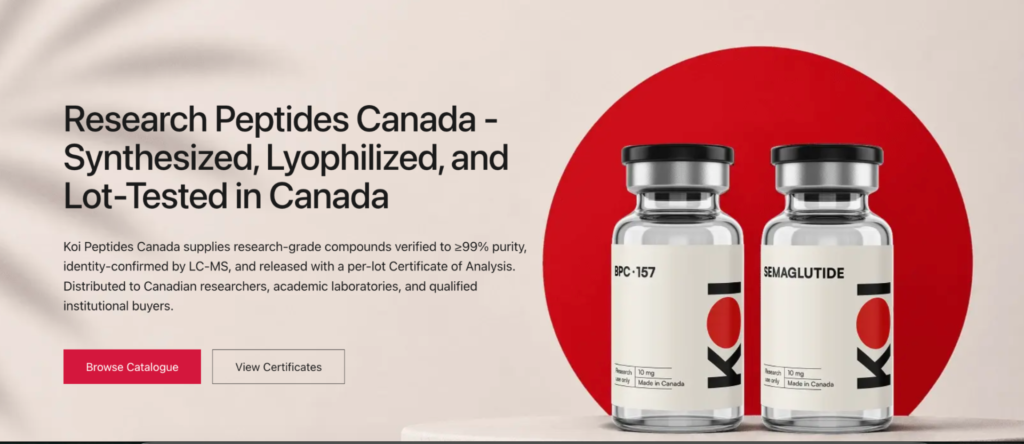
Step-by-Step: How to Reconstitute BPC 157 Peptide
Below is a clear, practical process focused on minimizing variability and contamination risk. Always follow the specific labeling and any handling instructions provided with your peptide and diluent.
1) Prepare your workspace and verify your targets
- Clear a clean area and lay out supplies.
- Confirm the vial is what you think it is (strength/amount and lot label).
- Decide your target concentration (so your final solution volume matches how you plan to dose).
- Write down your plan (example: “I will add X mL to reach Y mg/mL”).
2) Disinfect and access the vial correctly
- Wipe the vial stopper with an alcohol swab.
- Allow it to dry (this reduces residue and helps maintain sterility practices).
- Use sterile technique throughout—avoid touching needle tips or vial interior surfaces.
3) Add diluent gently (the “dissolve, don’t shock” principle)
In my hands-on experience, the most common early mistake is adding liquid too aggressively, which can promote foaming and inconsistent wetting of the powder.
- Slowly inject the sterile diluent along the inner wall of the vial.
- Aim to fully wet the powder. If the pellet or powder clumps, don’t panic—use the next step to help it dissolve evenly.
4) Mix using controlled technique
Controlled mixing is what helps turn “stuck powder” into a uniform solution. Here’s what I recommend in real workflows:
- Mix gently to avoid bubbles.
- If your process allows, keep the vial in a stable, moderate environment (avoid unnecessary heat).
- Continue mixing until the solution appears uniformly dissolved.
If you’re seeing persistent undissolved material, stop and reassess mixing time and technique rather than repeatedly forcing aggressive agitation.
5) Label immediately and document
- Label the vial with: date reconstituted, concentration, total volume, and any relevant notes.
- Log your volume used and drawing schedule so you can reduce handling time in future sessions.
6) Store with a consistency-first mindset
Storage conditions depend on the peptide and the diluent instructions provided. In general, peptides often require careful temperature management to preserve potency.
In my experience, the biggest “real-world” failure isn’t the final storage temperature—it’s inconsistent handling afterward (leaving it out too long, frequent opening, or repeated warm/cold cycles). Design your workflow to minimize those events.
Concentration Math: Avoid the Most Expensive Mistake
Concentration errors can happen silently. I once tracked an entire batch where the reconstitution volume was off by a small margin; it looked fine visually, but the later dosing interpretation became inconsistent across the month. The fix was simply better math and better labeling.
Use this relationship:
Concentration (mg/mL) = Amount of peptide (mg) ÷ Final volume of solution (mL)
Example logic (replace with your real values): if a vial contains 10 mg and you add 2 mL total diluent, your concentration is 5 mg/mL.
Common Mistakes When Reconstituting Peptides
- Wrong solvent assumption: Not all diluents behave the same, and the peptide guidance matters.
- Fast injection / foaming: Can create messy wetting and inconsistent dissolution.
- Over-agitation: Excess bubbles and aggressive mixing can complicate dosing-readiness.
- Temperature stress: Leaving solutions warming up longer than needed can reduce consistency.
- No labeling: This is how “I’ll remember later” turns into dosing confusion.
Pros and Cons of Different Reconstitution Workflows
Depending on your setup, you may choose a workflow that prioritizes convenience or minimizing handling. Here’s a practical comparison I’ve seen work across teams.
| Workflow | Pros | Limitations | Best for |
|---|---|---|---|
| Single vial, repeated draws | Simpler setup; fewer prep steps | More frequent handling of the same solution | Short-term use with tight workflow discipline |
| Aliquoting into smaller volumes | Less repeated exposure; more consistency | Extra prep time and transfers | Anyone prioritizing reduced handling variability |
| Batch reconstitution with a schedule | Predictable labeling and planning | Requires careful tracking and storage control | Users managing multiple doses across days/weeks |
FAQ
How much diluent should I use when reconstituting bpc 157 peptide?
Base it on the concentration you need and the amount (mg) in your vial. Use: concentration (mg/mL) = amount (mg) ÷ final volume (mL). Always follow the vial’s provided guidance for diluent choice and intended handling.
What should the solution look like after reconstituting?
Your goal is uniform dissolution. In many cases, a properly reconstituted peptide solution appears clear or consistently uniform. If you repeatedly see clumps or persistent undissolved material, it’s a signal to pause and correct mixing/handling technique rather than continuing to force it.
Can I reconstitute and use the same vial over many days?
Often, yes—if storage and handling follow the specific guidance for your peptide and diluent. The practical limitation is stability and variability from repeated warm-up and opening. Many people reduce that by aliquoting to limit repeated exposure.
Conclusion
Getting how to reconstitute bpc 157 peptide right is mostly about control: correct diluent choice, gentle wetting, controlled mixing, accurate concentration math, immediate labeling, and minimizing repeated handling. In my hands-on experience, the reconstitution method is where consistency is won or lost—especially when you’re tracking dosing over time.
Next step: Before you open the vial, write down your target concentration, calculate the exact diluent volume, and label a ready-to-use plan—then reconstitute using the gentle dissolve and controlled mixing approach.
Discussion